
The hallways are buzzing with scientific curiosity this January as four specialized science electives officially kick off their spring semesters. These courses offer students the unique opportunity to dive deeper into specific fields of study, ranging from the intricacies of a crime scene to the depths of our oceans and the global scale of our planet's ecosystems.
Whether you are interested in solving mysteries, protecting the environment, or understanding the complex systems of the world we live in, there is something for everyone in this month’s new lineup.
Forensic Science: Uncovering the Truth
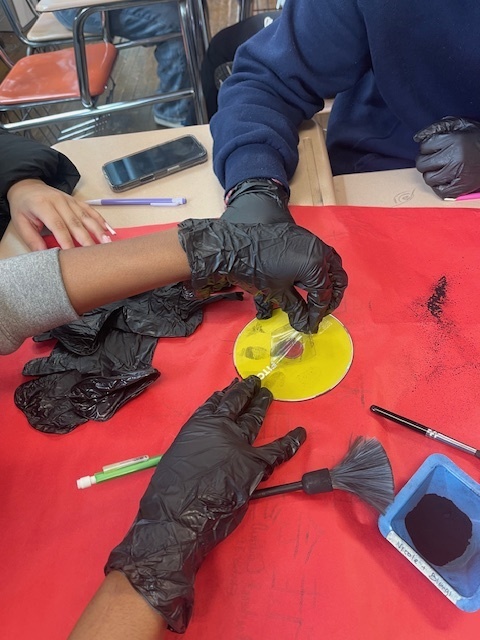
In this elective, students step into the shoes of investigators. This course merges biology, chemistry, and physics to teach the methods used in criminal investigations. Students will explore fingerprint analysis, hair and fiber microscopy, and the science of evidence collection. It’s a hands-on journey into the meticulous world of solving crimes through data and logic.
Marine Science: Exploring the Blue Planet
Dive deep into the wonders of the ocean in this brand-new elective. Students will explore marine biology, oceanography, and the complex chemistry of seawater. From the smallest plankton to the largest apex predators, the class covers the biodiversity of marine life and the critical role the oceans play in regulating our global climate and supporting life on Earth.
Environmental Science: Protecting Our Future
As global environmental challenges become more pressing, this course empowers students to understand and address them. The curriculum focuses on sustainability, conservation, and the impact of human activity on our natural resources. Through laboratory work and field studies, students will analyze real-world environmental data and brainstorm innovative solutions for a greener future.
Planet Earth: The Living World
Planet Earth takes a "big picture" approach to our home world. This month, the course focus shifts to the fascinating interaction between the biosphere and different biomes. Students will investigate how living organisms adapt to their specific environments—from the frozen tundra to the lush rainforest—and how energy and nutrients flow through these diverse biological communities.